Oak Leaf Autumn Embroidery Design Review
As a designer who has spent years curating machine embroidery design libraries for both personal craft and commercial clients, I approach every new file with a critical eye. The market is flooded with generic patterns, but finding a motif that balances artistic charm with technical reliability is rare. Today, I am evaluating the Oak Leaf Autumn Embroidery to see if it holds up under the pressure of real-world production. While categorized under Animals, this design focuses on the botanical elements often associated with woodland creatures, making it a versatile asset for nature-themed collections.
First Impressions: Mood and Visual Weight
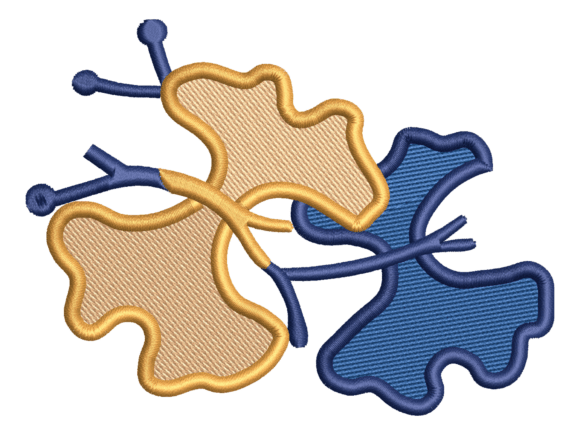
When I first opened the digital preview, the immediate impression was one of cozy sophistication. The Oak Leaf Autumn Embroidery captures the essence of the fall season without feeling cliché. The shape of the leaves suggests a natural flow, avoiding the rigid, geometric look that plagues many low-quality files. For an Etsy seller or boutique owner looking to create a cohesive autumn collection, the visual personality here is strong. It feels organic, as if the leaves were actually pressed into the fabric before being stitched.
The layout appears balanced, which is crucial when you are planning a custom apparel project. Whether you intend to place this on the chest of a sweatshirt or the corner of a tote bag, the asymmetry of the oak leaf arrangement allows for flexible placement. However, the detail level is moderate. This is not a hyper-realistic botanical illustration; rather, it is a stylized interpretation that relies on the interplay of fill stitch and satin stitch to define the veins and edges. This makes it forgiving for home machines while still looking professional on industrial setups.
Real-World Application: From File to Finished Product
To truly understand the value of the Oak Leaf Autumn Embroidery, I imagined a specific scenario: creating a limited run of personalized tote bags for a local craft fair. These bags would be made from heavy-duty canvas, a textured fabric that can sometimes swallow intricate details. In this context, the design shines. The bold outlines of the leaves ensure that even on a rougher fabric texture, the image remains legible. Customers browsing a small shop product line would immediately recognize the seasonal theme, increasing the likelihood of a purchase.
I also considered using this design for holiday embroidery gifts, specifically on knitwear like baby onesies or adult hoodies. Here, the challenge shifts to stretchy fabrics. The Oak Leaf Autumn Embroidery seems dense enough to hold its shape against the pull of a knit, provided the correct stabilizer is used. A water-soluble stabilizer on top and a cut-away underneath would likely yield excellent results. The warm color palette implied by the "Autumn" title suggests using rusts, deep oranges, and forest greens. These thread colors pop beautifully against neutral backgrounds like cream, oatmeal, or charcoal gray, elevating the perceived value of the finished product.
For those running a craft business, the ability to adapt a single design across multiple mediums is key. This file works well as an embroidered patch sewn onto denim jackets or backpacks. It could also serve as a decorative accent on kitchen towels or pillow covers, adding a touch of handmade elegance to home decor. The versatility of the Oak Leaf Autumn Embroidery means you can maximize your return on investment by selling it in various forms, from physical goods to digital mockups for other creators.
Navigating Technical Challenges and Limitations
Despite its strengths, there are scenarios where caution is required. If you plan to use this design on very thin fabrics like chiffon or silk, the density might cause puckering. The stitch density in the leaf centers is significant, which adds weight. On delicate materials, this could distort the weave unless you use a lightweight tear-away stabilizer and reduce the tension slightly.
Another consideration is the hoop size. While the exact dimensions are not listed in the product description, the complexity of the leaf veins suggests that shrinking the design below 30% could result in lost detail. Tiny lettering or minute vein lines might merge into a solid blob if scaled down too aggressively for a small cap or a baby sock. Always check the minimum recommended size in the documentation included with your digital embroidery file download.
Furthermore, dark fabrics present their own set of challenges. Without a backing layer or a high-density fill, the thread contrast might not be sufficient on black or navy blue materials. When preparing a printable mockup for client approval, always simulate the design on a dark background to ensure the visibility of the lighter thread shades. This step is vital for maintaining customer trust and ensuring the final delivery matches expectations.
Practical Designer Notes for Success
Before committing to a full production run or listing items for sale, I strongly advise testing the Oak Leaf Autumn Embroidery on scrap fabric first. This simple step can save hours of rework. Check how the machine handles the direction changes in the leaf veins. Are there any jumps that leave unwanted threads? Does the running stitch outline hold firm?
Review the stitch density closely. If the leaves feel too stiff after stitching, you may need to adjust the settings in your embroidery software to open up the fill pattern slightly. Confirm that the embroidery file formats included in the ZIP or RAR archive are compatible with your specific machine brand. Since this is a digital product with instant download, you have the flexibility to edit the file before stitching, but always keep a backup of the original.
Finally, consider the licensing implications. As a commercial embroidery user, you must confirm whether you are allowed to sell finished items made with this design. Some design assets come with restrictions on mass production or require attribution. Ensure you have the right to use the Oak Leaf Autumn Embroidery for your personalized gift business or apparel decorators projects. Clarity here protects your brand and avoids legal headaches down the road.
Final Verdict on Value and Appeal
In conclusion, the Oak Leaf Autumn Embroidery offers a compelling blend of aesthetic appeal and functional utility. It brings a warm, inviting mood to any embroidery project, making it an excellent choice for seasonal collections. Its performance on standard fabrics like cotton, canvas, and fleece is reliable, though users should exercise care with delicate or highly elastic materials.
For the creative entrepreneur or hobbyist, this design adds a professional touch that enhances buyer engagement and brand consistency. It transforms a simple garment into a statement piece. By following best practices regarding stabilizers, hoop sizes, and testing, you can ensure that the final result is nothing short of beautiful. Whether you are making a baby embroidery gift or stocking shelves for the holiday season, this design is a worthy addition to your creative toolkit.