Cow Heartbeat Embroidery Design Review
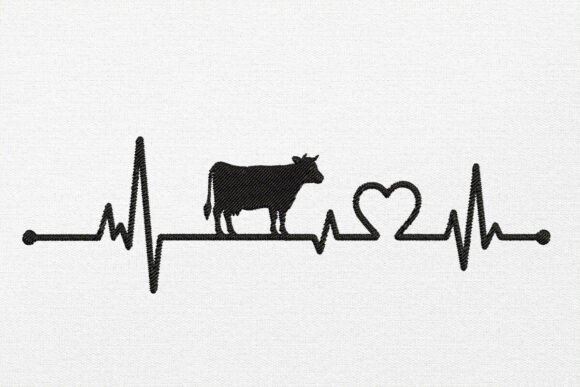
As a designer who has spent years navigating the intersection of digital art and physical stitching, I approach every new machine embroidery design with a critical eye. It is not enough for a file to look good on a screen; it must translate seamlessly into thread on fabric. Recently, I evaluated the Cow Heartbeat Embroidery Design, a piece that promises a blend of rustic charm and modern minimalism. On paper, the concept of combining a cow motif with a heartbeat line seems like a natural fit for the current trend of farm-to-table aesthetics and heartfelt gifting. However, the true test lies in how this embroidery file performs when loaded into a machine and stitched onto real materials.
First Impressions: Mood and Visual Personality
When I first opened the preview of the Cow Heartbeat Embroidery Design, the immediate impression was one of quiet elegance. The description mentions elegant wildflowers in a minimalist style, which suggests a delicate balance between organic shapes and clean lines. In the world of Embroidery, minimalism can be deceptive; it often requires higher precision because there is less visual clutter to hide minor imperfections. The layout appears to center the cow silhouette or heart motif, flanked by subtle floral elements that soften the overall look. This creates a mood that is both grounded and tender, making it an excellent candidate for projects that need to feel personal without being overly kitschy.
The visual personality of this design leans heavily into the "modern farmhouse" aesthetic, which remains a staple for many Etsy sellers and boutique owners. The combination of an animal theme with a medical or emotional symbol like a heartbeat adds a layer of narrative depth. It feels like a design meant to tell a story—perhaps about a love for animals, a connection to nature, or a celebration of life. For a craft business looking to differentiate its product line, this kind of storytelling potential is invaluable. However, the success of this narrative depends entirely on execution.
Real-World Application: From Screen to Fabric
To truly understand the value of the Cow Heartbeat Embroidery Design, I imagined using it in a specific scenario: creating a limited-run collection of custom embroidered tote bags for a local artisan market. Tote bags are a staple for small shop products, but they present unique challenges due to their large surface area and the fact that customers will carry them daily. If I were to place this design on a sturdy cotton canvas tote, the minimalist style would likely stand out beautifully against the textured background. The wildflower accents could add just enough color to break up the monochrome cow shape, provided the thread colors are chosen carefully.
Another compelling use case is for custom apparel, specifically sweatshirts. Imagine a cozy, heavyweight crewneck where the design is placed on the chest or back. The sweatshirt embroidery would benefit from the design's clean lines, as the thick fabric can sometimes swallow intricate details. Here, the stitch density becomes crucial. If the design relies too heavily on fine running stitch lines for the heartbeat element, it might get lost in the pile of the fleece. Conversely, if the cow shape utilizes a solid fill stitch, it should pop effectively. For a handmade product intended as a gift, perhaps for a new mother expecting a baby or a veterinary student, this design offers a level of sophistication that mass-produced graphics lack.
I also considered its potential as an embroidered patch. Patches are versatile assets for any commercial embroidery portfolio. They allow the design to be applied to denim jackets, backpacks, or hats without committing to a full garment. The Cow Heartbeat Embroidery Design would work well here, provided the edges are finished cleanly. The minimalist nature means it wouldn't overwhelm smaller patches, making it suitable for various sizes of merchandise. For a digital product seller offering printable mockups, this design provides a strong visual anchor that looks professional in promotional materials.
Navigating Technical Challenges and Limitations
While the design holds promise, there are specific areas where caution is required. As with any digital embroidery file, the devil is in the details. One concern with minimalist designs featuring thin lines, such as the heartbeat waveform, is visibility on dark fabrics. Without proper contrast, these fine lines can disappear into the background. I would advise testing the design on a scrap piece of dark fabric first to ensure the thread colors provide sufficient definition. Additionally, the wildflower elements might require careful attention to hoop size. If the flowers extend too far beyond the main subject, a standard 4x4 hoop might cut off parts of the design, ruining the composition.
Fabric texture is another critical factor. On highly textured fabrics like heavy linen or chunky knits, the fine details of the Cow Heartbeat Embroidery Design could become distorted. The needle might struggle to maintain consistent tension, leading to puckering or uneven stitches. In such cases, using a high-quality stabilizer is non-negotiable. A tear-away stabilizer might suffice for stable fabrics, but a cut-away option would be safer for stretchy materials like jersey or rayon blends. Furthermore, curved surfaces like caps can warp the straight lines of the heartbeat graphic. While some distortion is inevitable on a cap, the design's simplicity helps mitigate this issue compared to more complex illustrations.
Density is a frequent pain point in animal themed embroidery. If the cow portion of the design is filled too densely, it can create a stiff, plastic-like feel on the finished product, which detracts from the softness of handmade items. Reviewing the stitch count and density settings before running the final job is essential. Similarly, tiny lettering, if included in the design, should be avoided or significantly enlarged to prevent tangling and illegibility. For baby embroidery projects, safety is paramount; loose threads or dense stitching that irritates sensitive skin must be ruled out through rigorous testing.
Strategic Advice for Designers and Business Owners
For those looking to integrate the Cow Heartbeat Embroidery Design into their business, a strategic approach is key. Before committing to a full production run, always test the design on scrap fabric. This simple step can save hours of rework and wasted materials. Check the thread color palette against your target audience's preferences; earth tones might suit the rustic vibe, while pastels could appeal to a nursery decor market. Create printable mockups in black and white to assess the contrast and legibility of the design without the distraction of color.
Licensing is another vital consideration. Ensure you have the right to sell finished items or digital versions of the design. Many design assets come with restrictions on commercial use, so verify the terms before listing products on platforms like Etsy or at craft fairs. If the license allows, consider offering personalized variations, such as adding names or dates alongside the cow and heartbeat motif. This customization increases the perceived value of the finished product and enhances customer engagement.
Ultimately, the Cow Heartbeat Embroidery Design offers a versatile foundation for creative entrepreneurs. Its blend of animal imagery and symbolic meaning resonates with a wide range of consumers, from pet lovers to new parents. By paying close attention to technical details like stitch density, fabric choice, and stabilizer usage, designers can transform this digital file into a tangible asset that elevates their brand. Whether used for holiday gifts, boutique branding, or personal projects, this design has the potential to deliver a polished, professional result that stands the test of time and washing.