Seashell Oyster Machine Embroidery Review
As a professional embroidery designer who has spent years translating digital concepts into tangible threads for small business owners, I approach every new machine embroidery design with a critical eye. The market is flooded with generic motifs, but finding a set that balances artistic flair with commercial viability is rare. Recently, I reviewed the Seashell Oyster Machine Embroidery set, and it immediately stood out as a potential asset for boutique brands, cafés, and handmade product lines. This review breaks down how this specific embroidery file performs in real-world business scenarios, from creating branded patches to elevating staff uniforms.
First Impressions: Elegance Meets Modern Line Art
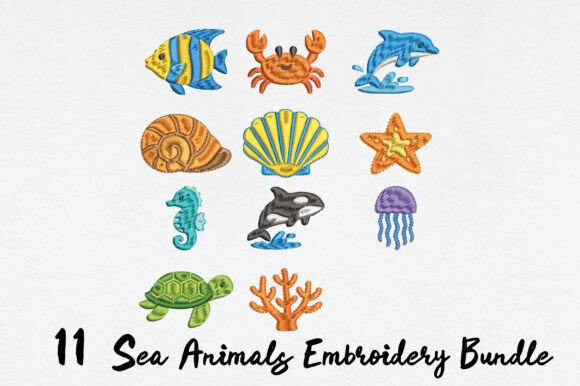
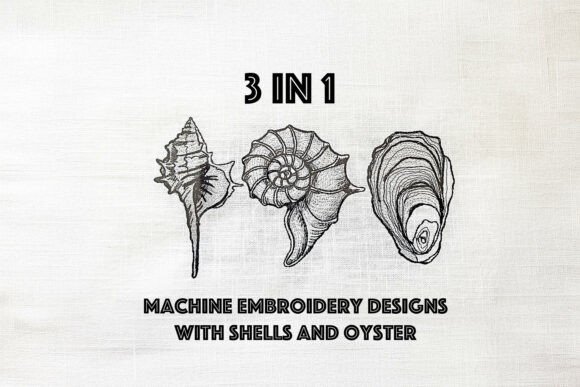
The moment I opened the preview of the Seashell Oyster Machine Embroidery, the aesthetic was clear. Unlike traditional, heavily filled floral or nautical designs that can look dated, this set features three distinct shells—a spiral shell, a nautilus, and an oyster—rendered in a clean line-art style. For a brand looking to project a modern, sophisticated image, this is a significant advantage. The fine lines and organic shapes create an elegant silhouette that feels less like a costume accessory and more like a high-end fashion detail.
In the context of brand identity, this design offers a versatile personality. It can feel rustic and coastal for a beachside café, yet minimal and premium for a skincare line or a boutique florist. The lack of heavy shading means the design relies on the quality of the stitch work and the contrast of the thread colors rather than density. This makes it an excellent candidate for businesses that want their merchandise to look handcrafted and intentional rather than mass-produced.
Real-World Applications for Small Business Merch
When evaluating a digital embroidery file for commercial use, I always ask: where does this actually go? The Seashell Oyster Machine Embroidery set is surprisingly adaptable across various small business merch categories. Here is how I envision these designs performing in actual production:
- Branded Patches: The clean outlines make these shells perfect for woven or embroidered patches. A nautilus patch on the back pocket of denim jeans or a tote bag adds a subtle, recognizable logo mark without overwhelming the garment.
- Staff Uniforms and Aprons: For a bakery or coffee shop, placing a small oyster design on the chest of a chef's apron creates a cohesive team look. It serves as a functional logo that feels more artisanal than a printed screen graphic.
- Cap Embroidery: The spiral shell works exceptionally well on the front panel of a baseball cap. Because the design is linear, it scales down better than complex shaded images, maintaining clarity even at smaller diameters.
- Tote Bag Design: Large format versions of the nautilus can anchor the center of a canvas tote. The organic curves complement the natural texture of cotton bags, reinforcing the eco-friendly vibe many handmade brands strive for.
- Product Packaging Accents: Imagine a small leather tag or a fabric pouch for jewelry featuring the oyster shell. This turns packaging into a keepsake, increasing the perceived value of the finished product.
For Etsy sellers and crafters, these designs act as powerful design assets. They allow you to offer custom apparel that feels unique. Whether it is a customer gift for a wedding favor or event merch for a coastal festival, the visual consistency provided by this set helps build recognition among your clientele.
Critical Considerations for Production Success
While the Seashell Oyster Machine Embroidery is visually stunning, its success depends entirely on execution. As a designer, I must highlight areas where caution is required to ensure the final output matches the digital preview.
Stitch Density and Fabric Texture
The description notes "fine lines," which is both a strength and a challenge. On smooth fabrics like twill or poplin, these lines will render beautifully. However, on textured fabrics like fleece, heavy denim, or knits, fine lines can get lost or break up. If you are using this for custom apparel made from thick materials, you may need to increase the stitch width slightly or choose a bolder thread weight. Always test the stitch density on a scrap piece of your actual fabric before committing to a full run.
Scaling and Hoop Size
One of the most common mistakes in commercial embroidery is scaling a design too small. While the line art style suggests versatility, shrinking the nautilus or oyster below a certain threshold can cause registration issues where lines merge. Before using this for cap embroidery or tiny sleeve details, verify the minimum size recommended by the file creator. Ensure your machine's hoop size accommodates the design with enough room for proper stabilizer placement.
Color Contrast and Visibility
Because this design relies on outlines rather than fills, color choice is paramount. Using a light thread on a dark uniform might result in poor visibility unless a backing layer is added. Conversely, white thread on white fabric requires a specific technique to stand out. When planning your thread colors, consider how they interact with your brand palette. High contrast usually ensures better legibility and a sharper professional appearance.
Strategic Designer Notes for Commercial Use
To maximize the return on investment for this embroidery file, I recommend following these practical steps during your production workflow:
- Test in Black and White First: Run a test stitch using a single black thread. This isolates the structure of the design, allowing you to check for gaps, jumps, or tangled threads without the distraction of color changes.
- Inspect Spacing and Registration: Zoom in on the digitized file to ensure the spacing between the fine lines is sufficient for your machine's needle speed. Tight spacing can lead to puckering.
- Use Proper Stabilizer: Given the delicate nature of line art, a cut-away stabilizer is often necessary for stretchy fabrics to prevent distortion over time, especially for items that undergo frequent washing.
- Create a Printable Mockup: Before sending the design to a client or producing inventory, generate a high-quality printable mockup. This allows stakeholders to visualize the scale and placement on the actual product, reducing the risk of costly reworks.
- Verify Licensing: Since this is intended for commercial embroidery, always confirm the license terms. Ensure you have the right to use the design on sellable goods like patches, bags, and clothing. Never assume a personal-use license covers business applications.
Impact on Brand Identity and Customer Trust
Ultimately, the decision to use Seashell Oyster Machine Embroidery goes beyond aesthetics; it is a statement about your brand's values. In an era where consumers crave authenticity, a well-executed embroidered logo signals quality and care. It differentiates your handmade product from cheaply printed alternatives.
When customers see a crisp, elegant oyster shell stitched onto a tote bag or a staff apron, it builds trust. It suggests that the business pays attention to detail. This visual consistency across your design assets reinforces your brand story, whether you are selling gourmet seafood, coastal home decor, or sustainable fashion. By choosing a design that balances modern simplicity with organic charm, you elevate the perceived value of your entire product line.
For those in the Fish and marine-related industries, or any business seeking a touch of natural elegance, this Embroidery set offers a robust toolkit. Just remember: the file is only as good as the application. With careful testing, proper stabilization, and strategic placement, the Seashell Oyster Machine Embroidery can become a signature element of your brand's visual language.