Cute Winter Baby Deer Embroidery Review
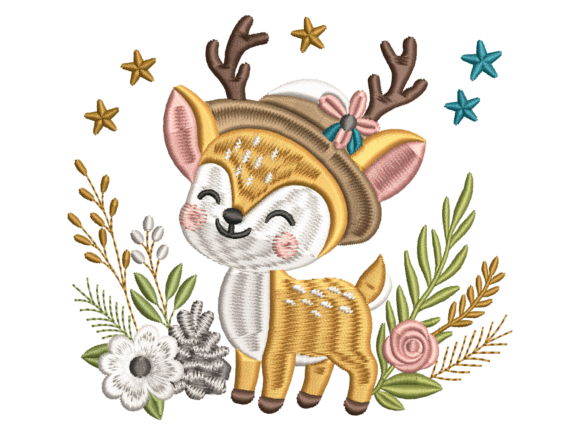
As an experienced embroidery designer preparing for the upcoming weekend craft fair, I am constantly evaluating new digital assets to see which ones will translate into bestsellers. Today, I am reviewing the Cute Winter Baby Deer Embroidery design. This piece immediately catches the eye with its seasonal charm, promising a soft, whimsical aesthetic that fits perfectly within the Nursery category and winter home decor trends. Before turning this digital file into physical inventory, I need to determine if it has the visual punch required to stop shoppers in their tracks at a busy market booth.
First Impressions: A Seasonal Staple for Handmade Markets
The moment I open the preview of the Cute Winter Baby Deer Embroidery, the mood is clear: it is undeniably cute, rustic, and festive. It does not feel overly modern or minimal; instead, it leans heavily into a farmhouse-chic vibe that resonates deeply with craft fair customers looking for cozy, giftable items. The design suggests a sense of warmth and nostalgia, making it an excellent candidate for holiday markets or early winter sales events. For an Etsy seller or boutique maker, this type of imagery often performs exceptionally well because it evokes emotion. Parents looking for nursery items or gift-givers seeking something unique for a baby shower are likely to be drawn to the gentle nature of a baby deer motif.
However, the real test is whether this machine embroidery design holds up when moved from a screen to fabric. In my experience, designs that look perfect digitally can sometimes lose clarity due to stitch density or thread color choices. The Cute Winter Baby Deer Embroidery appears to have clean lines, but I must verify how these lines behave on textured surfaces like towels or thick canvas before committing to a full production run.
Evaluating Product Potential for Craft Fair Displays
When setting up a table display, every item needs to serve a purpose. I am considering several applications for this specific embroidery file. First, the tote bag design potential is high. A large tote bag featuring this deer in the center would make a statement as a reusable shopping bag or a stylish diaper bag alternative. The contrast of the deer against a neutral cream or soft grey canvas would likely highlight the details effectively.
Next, I am thinking about kitchen textiles. An apron embroidery placement on the bib area could be charming, though I need to ensure the design is not too delicate for a working apron. Similarly, tea towel embroidery offers a great opportunity. Tea towels are affordable impulse buys at craft fairs. If the Cute Winter Baby Deer Embroidery is embroidered in white or silver thread on a sage green or navy towel, it creates a premium look that elevates a simple kitchen item into a decorative piece.
For smaller accessories, the design works well as an embroidered patch. Patches are versatile; they can be sewn onto denim jackets, hats, or backpacks. This allows me to create a "mix-and-match" station at my booth where customers can choose a base item and add the deer patch. Additionally, small fabric pouches for jewelry or makeup bags benefit from this focal point. The Cute Winter Baby Deer Embroidery acts as the hero image, drawing attention to the product's quality and craftsmanship.
Production Realities: Stitch Density and Fabric Texture
While the concept is strong, the execution depends on practical embroidery mechanics. One of the first things I check is the stitch density. If the deer's antlers or facial features are too dense, the fabric may pucker, especially on lighter materials like cotton blends used for pillow covers. Conversely, if the design is too sparse, it might not stand out against a busy background pattern. I plan to run a test on scrap fabric to ensure the stitches lay flat and the definition remains sharp.
Fabric texture is another critical factor. On a highly textured towel, tiny details in the deer's face might get lost in the weave. I must consider whether the Cute Winter Baby Deer Embroidery retains its cuteness at smaller sizes. If I want to use this on a cap, the curved surface of the brim can distort the design. I need to confirm the ideal hoop size to prevent stretching or distortion. Darker fabrics require careful consideration of thread colors; a light-colored deer might need a stabilizer backing to prevent show-through and ensure the colors pop.
Furthermore, batch production requires consistency. As a small shop owner, I need to know if this digital embroidery file is repeatable without constant re-hooping adjustments. If the design requires complex underlay or frequent thread changes, it slows down production time, increasing the cost per unit. For a weekend market, efficiency is key to maximizing profit margins.
Visual Appeal and Customer Engagement
The success of any handmade product relies on its ability to capture attention quickly. At a crowded craft fair, customers scan tables in seconds. The Cute Winter Baby Deer Embroidery has the potential to be a conversation starter. Its theme aligns with current trends in rustic and woodland decor, making it relevant for buyers decorating nurseries or updating their homes for the winter season. When displayed on a finished product like a pillow cover or a plush toy, the tactile quality of the embroidery adds perceived value. Customers appreciate seeing the texture of the thread, which signals higher quality than a printed graphic.
For online sellers, photography is equally important. This design should photograph beautifully for Etsy listings. A close-up shot showing the thread sheen and the crispness of the deer's outline can drive sales. Creating a printable mockup for social media ads using this design asset can also help build anticipation before the actual craft fair event. The emotional connection people feel toward animals, especially babies, makes this a powerful marketing tool.
Designer Notes for Commercial Success
Before finalizing my order of supplies, I have a checklist for using the Cute Winter Baby Deer Embroidery commercially:
- Test Run: Always embroider a sample on the exact fabric intended for sale to check for puckering or thread breaks.
- Stabilizer Choice: Use the appropriate stabilizer for the fabric weight. Heavy-duty cuts are essential for towels and caps, while tear-away may suffice for t-shirts.
- Color Contrast: Ensure the thread colors provide enough contrast against the fabric so the design is visible from a distance.
- Licensing Check: Remember that the product description states, "Digital embroidery files are delivered in ZIP or RAR format. This is a digital product, no physical item will be shipped. Instant download after purchase. No returns or refunds for digital products." I must verify the commercial license terms included with the file to ensure I am legally allowed to sell the finished goods.
- Mockups: Create at least one real mockup to assess the scale and impact before mass-producing.
In conclusion, the Cute Winter Baby Deer Embroidery is a promising addition to a winter collection. With careful attention to production details like stitch density and fabric selection, it can become a standout craft fair product. Whether sold as a standalone commercial embroidery item or part of a larger handmade gift set, its appeal lies in its ability to bring a touch of seasonal magic to everyday objects. For creative entrepreneurs and boutique makers, mastering the application of such designs is the difference between a good booth and a great one.