Cute Pig Patch Embroidery Design Review
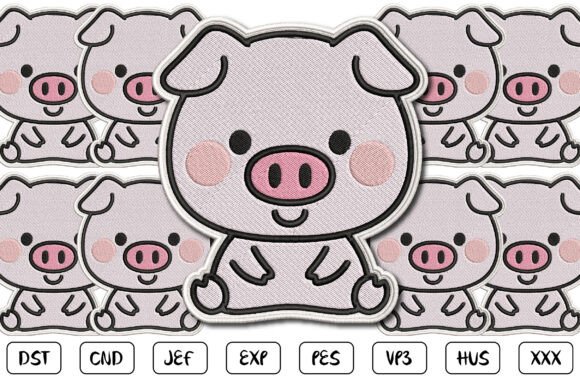
As a professional embroidery designer who has spent years translating digital files into tangible brand assets, I approach every new design with a critical eye. When reviewing the Cute Pig Patch Embroidery Design, my focus shifts immediately from aesthetic appreciation to commercial viability. For small business owners, apparel decorators, and Etsy sellers, a design is not just an image; it is a tool for communication, branding, and revenue generation. This specific design, categorized under Baby Animals, promises a soft kawaii style with cute facial details. But does this playful concept translate effectively into high-quality merchandise like staff uniforms, branded patches, or tote bags? Let's dive into a detailed review of how this machine embroidery design performs in a real-world business environment.
First Impressions: Professionalism Meets Playfulness
The first thing that strikes me about the Cute Pig Patch Embroidery Design is its inherent friendliness. In the world of branding, especially for sectors like bakeries, boutiques, pet brands, and creative studios, approachability is currency. The description highlights a "sweet and playful touch," which suggests a design that avoids harsh lines in favor of softer curves and inviting expressions. This is crucial for businesses aiming to project a handmade, warm, and community-focused identity.
However, there is a fine line between "cute" and "amateur." A design can look charming on a screen but fail when stitched onto fabric due to poor digitization. From a preliminary review, the kawaii style implies a need for precise stitch direction to maintain the rounded, plush appearance of the pig. If the stitch density is too low, the character may look flat and cheap. If it is too high, the fabric could pucker, ruining the finish. For a small business creating custom apparel, the visual personality must remain consistent whether viewed on a website mockup or held in a customer's hand.
Real-World Application: Where This Design Shines
When considering the Cute Pig Patch Embroidery Design for production, several use cases stand out as particularly effective. The versatility of a well-executed animal character makes it an excellent candidate for various product lines.
- Branded Patches: This is perhaps the most logical application. An embroidered patch featuring this pig can be sewn onto denim jackets, backpacks, or canvas totes. Patches allow for higher stitch counts without worrying about fabric distortion, making them ideal for capturing the "cute facial details" mentioned in the description.
- Staff Uniforms and Aprons: For a café or bakery, apron embroidery adds a layer of professionalism while keeping the vibe light. Placing this design on the chest pocket or upper back of an apron creates a memorable brand mark that customers associate with the friendly service they receive.
- Cap Embroidery: While caps require careful sizing, a simplified version of this design works beautifully on the front panel of a baseball cap. It serves as a subtle yet recognizable logo for events, team building, or promotional giveaways.
- Tote Bag Design: Tote bags are heavy canvases that can handle moderate detail. A large-scale version of the Cute Pig Patch Embroidery Design on a cotton tote transforms a simple bag into a desirable piece of small business merch.
These applications demonstrate how a single digital embroidery file can serve multiple revenue streams. Whether you are selling the finished product directly or using it to elevate your brand presence at a local market, the design acts as a cohesive visual anchor.
Navigating Challenges: Size, Texture, and Density
Despite its potential, the Cute Pig Patch Embroidery Design requires careful handling to ensure quality. As a designer, I always advise clients to test boundaries before mass production. There are specific scenarios where this design might struggle if not adapted correctly.
First, consider the size. Kawaii styles often rely on delicate features—eyes, snouts, and blush marks. If you attempt to shrink this design for a tiny patch or a small sleeve detail, those details may vanish or merge into a blob of thread. Always check the minimum recommended size in the embroidery file specifications. If the design is too small, the "soft" look turns into a muddy mess.
Second, fabric texture matters. On smooth cotton or twill, the design will pop. However, on highly textured fabrics like thick fleece, wool blends, or ribbed knits, the intricate details of the pig's face might get lost in the weave. Similarly, dark uniforms present a challenge. To make the pig stand out on black or navy fabric, you will likely need a dense underlay and bright, contrasting thread colors. Without proper planning, the design could appear dull or washed out.
Finally, be wary of curved surfaces. While a cap front is slightly curved, items like bottle openers or rounded hat brims can distort the geometry of the design. Always test the hoop size and stabilizer requirements to ensure the fabric remains taut during stitching. Using the wrong stabilizer can lead to registration errors, where the eyes don't align with the snout, breaking the illusion of the character.
Impact on Brand Identity and Customer Trust
In the competitive landscape of handmade goods and local services, your visual assets define your reputation. The Cute Pig Patch Embroidery Design offers a unique opportunity to humanize your brand. When a customer sees a high-quality embroidered patch on a staff member's uniform, it signals attention to detail and care. It moves the brand away from generic, printed logos toward something tactile and premium.
This level of craftsmanship builds trust. A well-stitched design suggests that the business values quality in all aspects, from the products sold to the presentation of the team. For Etsy sellers and craft business owners, including this design on packaging accents or as a gift tag embellishment can significantly increase perceived value. It transforms a standard transaction into an experience, encouraging buyer engagement and social media sharing.
Furthermore, consistency is key. If you use this design across design assets like business cards, website graphics, and physical merchandise, you create a strong, recognizable identity. The pig becomes a mascot, a symbol that customers remember long after they leave your shop or website.
Practical Designer Notes for Production
Before integrating the Cute Pig Patch Embroidery Design into your workflow, follow these practical steps to ensure success:
- Test in Black and White: Before committing to expensive threads, run a test stitch in a single color. This allows you to inspect the flow of the stitches, check for gaps, and verify that the spacing is correct without the distraction of color changes.
- Verify Hoop Size and Stabilizer: Confirm that your machine can accommodate the required hoop size. Use a tear-away or cut-away stabilizer appropriate for the weight of your fabric to prevent puckering.
- Create a Printable Mockup: Generate a printable mockup showing the design on your intended products. This is essential for client approval and helps visualize scale and placement.
- Check Commercial Licensing: Ensure you have the right to use this commercial embroidery file for your specific business needs. Do not assume personal use licenses cover resale or branding.
- Compare with Other Assets: Place the design next to other elements of your brand palette. Does the style match your existing logos and fonts? Visual consistency is vital for a professional look.
The Cute Pig Patch Embroidery Design is more than just a cute picture; it is a strategic asset for any business looking to add warmth and character to their merchandise. By understanding its strengths, respecting its limitations, and applying professional embroidery techniques, you can turn this adorable Baby Animals motif into a cornerstone of your brand's visual identity. Whether it ends up on a cap, a tote bag, or a boutique label, the goal is to deliver a finished product that delights customers and reinforces the quality of your work.