Classic Stag Embroidery Design Review
As a designer who has spent years navigating the delicate balance between digital files and physical thread, I approach every new machine embroidery design with a critical eye. The market is flooded with generic patterns, but finding a piece that translates well from screen to fabric requires careful scrutiny. Today, I am evaluating the Classic Stag Embroidery Design, a file intended for the Woodland Animals category. My goal is not just to describe what it looks like in a preview window, but to determine how it performs when stitched onto real materials for client projects, handmade goods, or small shop merchandise.
First Impressions: Mood and Visual Personality
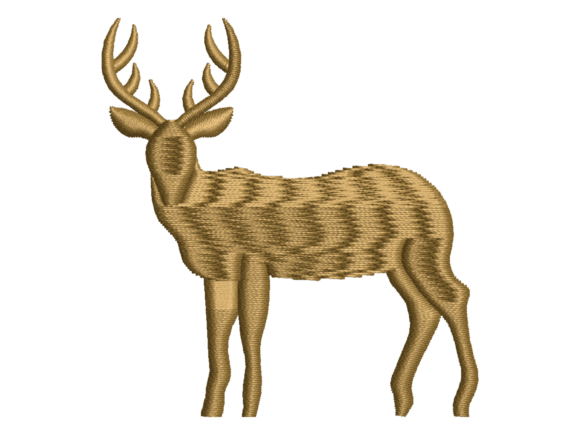
When I first opened the digital embroidery file, the immediate impression was one of rustic elegance. The stag motif avoids the overly cartoonish style often found in lower-tier designs. Instead, it leans into a slightly stylized realism that feels appropriate for both modern home decor and traditional outdoor apparel. The layout suggests a strong silhouette, which is crucial for embroidery because it ensures the design remains recognizable even from a distance. The visual personality is grounded and masculine yet versatile enough to work on softer items like nursery blankets or baby clothes if the color palette is adjusted.
For an Etsy seller or a boutique owner looking to expand their autumn or winter collection, this design offers a distinct advantage. It carries a "crafted" feel rather than a mass-produced look. The lines are clean, suggesting that the stitch density is likely optimized to prevent puckering while maintaining definition. However, as any experienced embroiderer knows, a good preview does not guarantee a flawless stitch-out, so I moved immediately to planning a real-world test run.
Testing the Design: A Real-World Scenario
To truly understand the potential of the Classic Stag Embroidery Design, I imagined preparing a custom embroidered tote bag for a local craft fair. Tote bags are a staple for many craft business owners because they offer a large canvas and serve as walking advertisements. I selected a sturdy, natural-colored canvas to see how the design would pop against a neutral background.
In this scenario, the design serves as the focal point. The antlers, which are often the most complex part of a stag illustration, need to hold up under close inspection. If the fill stitch is too sparse, the threads might gap, ruining the illusion of solid horns. If it is too dense, the fabric could pucker, making the bag difficult to fold or carry. Based on the vector structure visible in the file, the design appears to use a mix of satin stitch for outlining and fill stitch for the body, a combination that usually yields professional results.
I also considered how this would translate to custom apparel, specifically a heavyweight sweatshirt. Sweatshirts have a textured surface that can sometimes hide fine details. The Classic Stag Embroidery Design seems robust enough to handle the texture of fleece without losing its shape. For a holiday gift, perhaps a personalized stocking or a pillow cover, the design's classic nature ensures it won't look dated next year. This longevity is key for commercial embroidery where inventory needs to sell over multiple seasons.
Navigating Fabric and Hoop Challenges
While the design looks promising, there are specific situations where caution is required. As a reviewer, I must highlight where this embroidery project might struggle. First, consider the hoop size. Although the file is flexible, attempting to fit this design into a very small hoop will inevitably compress the details, particularly the facial features and the tips of the antlers. Always check the dimensions before committing to a tiny patch or a cap front.
Fabric choice is another critical factor. On thin or stretchy fabrics like jersey knit, the weight of the stitches could cause significant distortion. In these cases, using a heavy-duty stabilizer is non-negotiable. Similarly, on dark fabrics, the default thread colors provided in the file may lack contrast. You will likely need to adjust the color sequence or add a white underlay to ensure the stag stands out clearly. Without proper underlay, the design can look muddy on black or navy backgrounds.
Curved surfaces present their own set of challenges. If you plan to use this for a baseball cap, the curvature of the brim can stretch the design horizontally. While the Classic Stag Embroidery Design has a relatively balanced aspect ratio, always test the placement on a sample cap to ensure the antlers don't get distorted by the curve. Additionally, avoid placing the design in areas that undergo frequent washing or friction, such as the cuffs of a shirt or the bottom hem of a towel, as the raised stitching may snag or wear down over time.
Impact on Brand and Product Value
The decision to use a high-quality digital product like this directly influences customer trust and brand perception. When a buyer receives a finished product with crisp, well-defined stitching, it signals professionalism. Conversely, a poorly executed design with loose threads or misaligned elements can damage your reputation as a maker. The Classic Stag Embroidery Design has the potential to elevate a simple item into a premium personalized gift.
For those creating handmade products for resale, consistency is vital. This design allows for a cohesive look across different items, whether you are selling embroidered patches, kitchen towels, or aprons. It creates a recognizable aesthetic that customers can associate with your brand. Furthermore, the ability to create printable mockups using this design helps in marketing your services online. High-quality visuals of the design on various products can significantly increase buyer engagement and conversion rates.
Practical Designer Notes for Success
Before you purchase or use the Classic Stag Embroidery Design for a client order, follow these essential steps:
- Test on Scrap Fabric: Never skip the test run. Stitch the design on a scrap piece of the actual fabric you intend to use to check for puckering and tension issues.
- Review Thread Colors: Adjust the thread colors to match your specific project palette. Ensure there is sufficient contrast between the design and the background material.
- Confirm Stabilizer Needs: Determine if you need cut-away or tear-away stabilizer based on the fabric type. Textured fabrics often require more support.
- Check Licensing: Remember that this is a digital product delivered in ZIP or RAR format. Verify the license terms regarding commercial use. Some files allow you to sell finished items, while others restrict the sale of the digital file itself.
- Inspect Small Details: Zoom in on the file to inspect the smallest details. Ensure that tiny elements are not so small that they will disappear during stitching.
- Compare Backgrounds: Visualize the design on both light and dark fabrics to ensure versatility for your inventory.
Ultimately, the Classic Stag Embroidery Design represents a solid asset for designers looking to add a touch of nature-inspired charm to their portfolio. By understanding its strengths and limitations, you can confidently integrate it into your workflow, creating finished products that delight customers and stand the test of time. Whether you are a hobbyist making gifts for family or a small shop product creator scaling your business, this design offers the reliability needed for professional-grade results.